

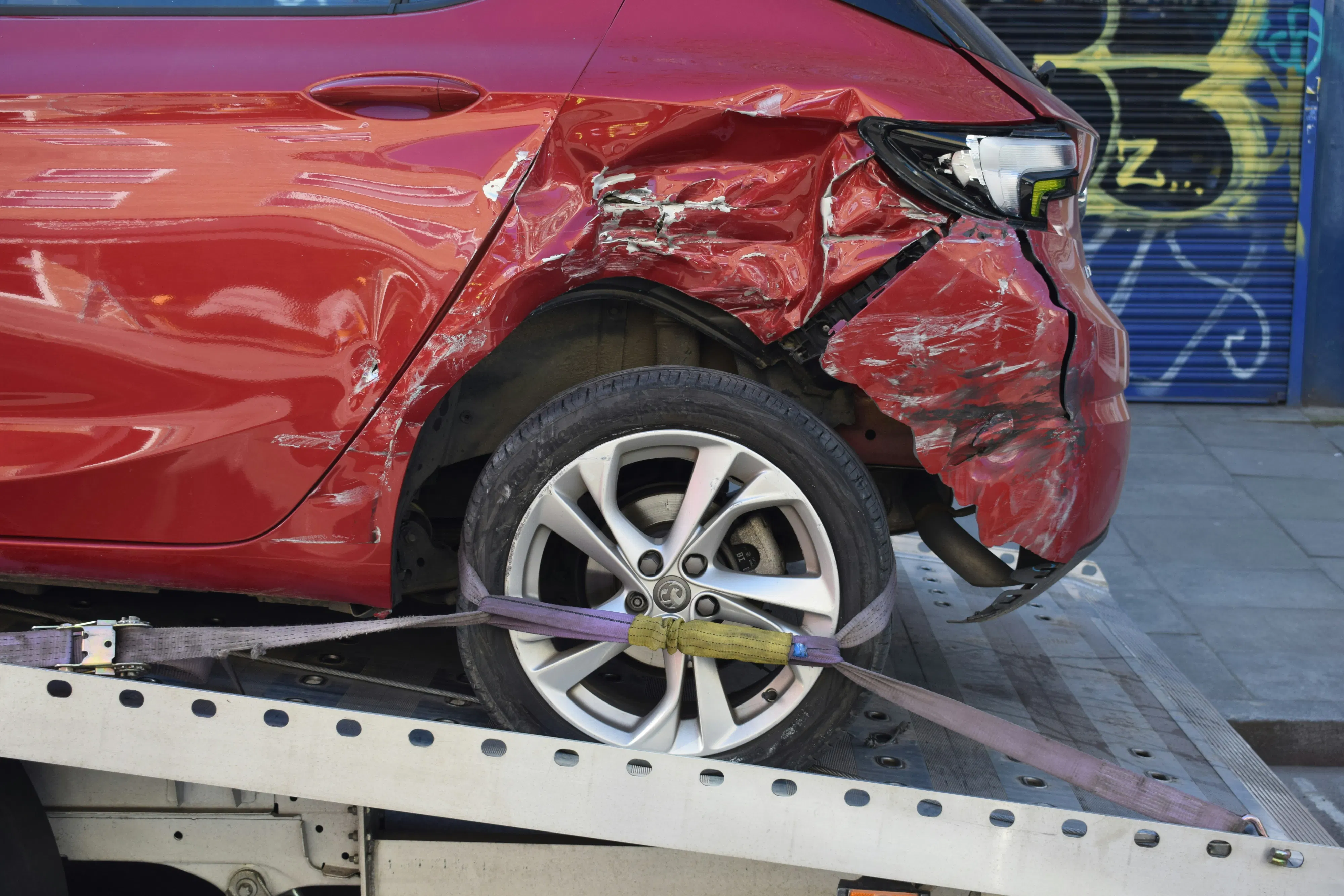
What to Do After a Car Accident in Virginia: A Step-by-Step Guide
A car accident can happen unexpectedly, whether you’re commuting through Danville, traveling along US-58, or driving through Southside Virginia. Even a minor collision can leave you wondering what to do next, who to contact, and how to handle damage to your vehicle.
Knowing the right steps to take after an accident can help protect your safety, preserve important information, and make the insurance and vehicle repair process easier to navigate. This guide explains what Virginia drivers should do following a collision and how to begin getting their vehicles repaired.
Quick Checklist: What to Do After a Car Accident
If you’ve recently been involved in an accident, start with these important steps:
- Stop your vehicle and check for injuries.
- Move to a safer location when possible and appropriate.
- Contact emergency services or law enforcement as needed.
- Exchange information with the other driver.
- Document vehicle damage and accident details.
- Notify your insurance company.
- Arrange an inspection or collision repair estimate.
1. Stop Your Vehicle and Check for Injuries
Your first priority after a car accident should always be the safety of everyone involved. Stop at the scene, remain calm, and check yourself and your passengers for injuries.
If anyone is injured or there is an immediate danger, call 911. Avoid moving an injured person unless there is an immediate threat to their safety, such as a fire, and follow instructions from emergency responders.
Some injuries may not be immediately apparent. If you develop pain, dizziness, or other concerning symptoms after a collision, seek appropriate medical attention.
2. Move to a Safe Location When Possible
If the accident is minor, no one is injured, and the vehicles can be safely moved, Virginia drivers should move their vehicles out of active traffic when possible.
Turn on your hazard lights and remain aware of surrounding traffic. Avoid standing in travel lanes or placing yourself in danger to inspect damage.
If a vehicle is severely damaged, leaking fluids, or otherwise unsafe to operate, leave it in place and follow instructions from law enforcement or emergency personnel.
3. Contact Law Enforcement and Report the Accident
Virginia’s driver guidance instructs motorists involved in traffic crashes to report the incident to police as quickly as possible. Calling law enforcement is especially important when someone is injured, a vehicle cannot be driven safely, or there is significant property damage.
When speaking with authorities, provide accurate information about the location and circumstances of the accident. If an officer responds, ask how to obtain the crash report or incident number for your records.
For additional information about Virginia’s traffic crash procedures, consult the Virginia Department of Motor Vehicles.
4. Exchange Information With the Other Driver
Once everyone is safe, exchange relevant information with the other drivers involved in the accident.
Important information to collect includes:
- Full names and contact information
- Driver’s license information
- Insurance company names and policy information
- Vehicle makes, models, and license plate numbers
- Contact information for any witnesses who are willing to provide it
Keep conversations factual and avoid arguments about who caused the accident. Insurance companies and the appropriate authorities can review the available information when determining responsibility.
5. Take Photos and Document Vehicle Damage
If it is safe to do so, take photographs of the vehicles and surrounding accident scene before leaving the area.
Useful photographs may include:
- Damage to each vehicle involved
- Vehicle positions, if they can be photographed safely
- License plates and visible vehicle details
- Road conditions, traffic signs, and nearby intersections
- Debris or other visible evidence related to the collision
You may also want to record the date, time, weather conditions, and approximate location of the accident. These details can be helpful when communicating with your insurance provider and repair facility.
6. Notify Your Insurance Company
Contact your insurance company as soon as reasonably possible after the accident. Your insurer can explain the claims process, applicable coverage, deductibles, and any documentation needed to evaluate the damage.
Depending on the circumstances, vehicle damage may be handled through collision coverage, comprehensive coverage, or another driver’s liability insurance. Coverage and payment responsibilities depend on the policy and claim details.
If you have questions about estimates, deductibles, or selecting a repair facility, visit Bisbee Precision Collision’s
collision repair FAQ page for additional information.
7. Determine Whether Your Vehicle Is Safe to Drive
Not all accident damage is immediately visible. A vehicle may appear to have only minor exterior damage while also having problems involving its suspension, steering, cooling system, lighting, or safety equipment.
Signs that your vehicle may need to be towed include:
- Fluid leaks following the collision
- Damaged wheels or tires
- Steering or braking problems
- Loose body panels or components
- Damaged lights or obstructed visibility
- Airbag deployment or significant structural damage
When you’re uncertain about your vehicle’s condition, avoid driving it until a qualified professional can assess whether it is safe to operate.
8. Schedule a Collision Repair Estimate
Once the immediate safety concerns have been addressed, the next step is evaluating the damage to your vehicle.
A collision repair estimate can help identify visible damage and provide an initial understanding of the repairs that may be necessary. Additional damage may be discovered during disassembly and inspection, so an initial estimate is not always the final repair cost.
At Bisbee Precision Collision in Danville, VA, drivers can begin the estimate process online by submitting photographs of their vehicle’s damage.
Get Started With an Online Photo Estimate
Have visible damage from a recent accident? Bisbee Precision Collision offers an online photo estimate option to help you take the first step toward repairs. Submit information and photos of your vehicle for an initial assessment. An in-person inspection may still be needed to determine the full extent of the damage.
Collision Repair Help for Danville and Southside Virginia Drivers
Drivers throughout Southside Virginia encounter a variety of road conditions, from busy intersections in Danville to rural highways connecting Martinsville, Chatham, and South Boston. Whether an accident involves another vehicle, roadside debris, or wildlife, knowing what to do afterward can make the situation easier to manage.
Bisbee Precision Collision provides automotive body repair and collision repair services from its facility in Danville, VA. The shop serves drivers from nearby communities and offers assistance with accident damage, insurance-related repairs, and vehicle restoration.
Learn more about automotive repair services in Virginia or explore collision repair options for drivers near South Boston, VA.
You can also learn more about Bisbee Precision Collision and the services available at our Danville facility.
Common Mistakes to Avoid After a Car Accident
Even after a minor collision, a few simple mistakes can complicate the situation.
Leaving Without Exchanging Information
Make sure the necessary information is exchanged and follow applicable reporting requirements before leaving the accident scene.
Assuming Minor Damage Is Only Cosmetic
A damaged bumper or body panel may conceal additional problems. Having the vehicle inspected can help determine whether repairs beyond the visible damage are necessary.
Waiting Too Long to Document the Damage
Photos, notes, and accident details are easier to collect while the circumstances are still fresh. Document what you can safely and keep copies for your records.
Driving a Vehicle That May Be Unsafe
Even if your vehicle starts and moves, damage to critical components can make driving dangerous. When in doubt, arrange for towing or a professional inspection.
Frequently Asked Questions About Car Accidents in Virginia
What should I do immediately after a car accident in Virginia?
Stop your vehicle, check for injuries, and contact emergency services when necessary. Move out of traffic when it is safe and appropriate, report the accident as required, exchange information with other drivers, and document the scene before contacting your insurance company.
Do I need to call the police after a minor accident in Virginia?
Virginia’s driver guidance instructs motorists to report traffic crashes to police as quickly as possible. Contact law enforcement for guidance, particularly if someone is injured, there is property damage, or the vehicles cannot be safely moved.
Can I drive my car after a minor collision?
It depends on the damage. Problems with steering, brakes, tires, lights, airbags, or structural components may make a vehicle unsafe to drive. If you are unsure about its condition, arrange for a professional inspection or towing rather than risking further damage or injury.
How can I get an estimate for accident damage in Danville, VA?
Bisbee Precision Collision offers an online photo estimate option for drivers with vehicle damage. You can submit photos and information about your vehicle to begin the assessment process. A more detailed inspection may be necessary to identify hidden damage and determine the complete repair plan.
Need Collision Repair After an Accident?
Bisbee Precision Collision helps drivers in Danville and surrounding Southside Virginia communities take the next step after vehicle damage. From minor dents to more extensive collision repairs, our team can help evaluate your vehicle and explain available repair options.
Request an Online Photo Estimate
Bisbee Precision Collision | Danville, VA
